JETRAY / Battery engineering & sourcingShenzhen, Chinasale1@jetray.cn ↗
JETRAYRobotics & AGV Battery ProjectsBlog
01

Duty-cycle mapping

Measure the mission profile

02

Peak-current review

Coordinate control interfaces

03

Charging workflow

Test the charging workflow

01 / The collection

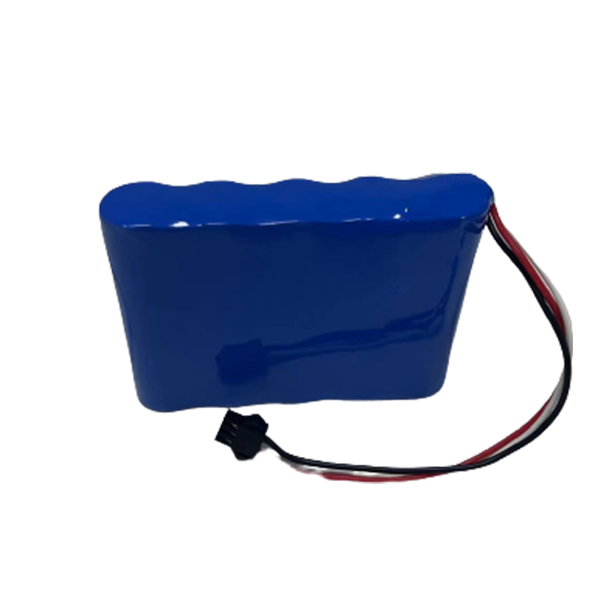
Start with the right product reference.

Catalogue data is a starting point. Confirm the current model specification and application requirements before design-in.

View all specifications
02 / Engineering perspective

A specification built around the work.

Robotics & AGV Battery Projects selection starts with the equipment. Use electrical, mechanical and operating requirements to create a clearer supplier conversation.

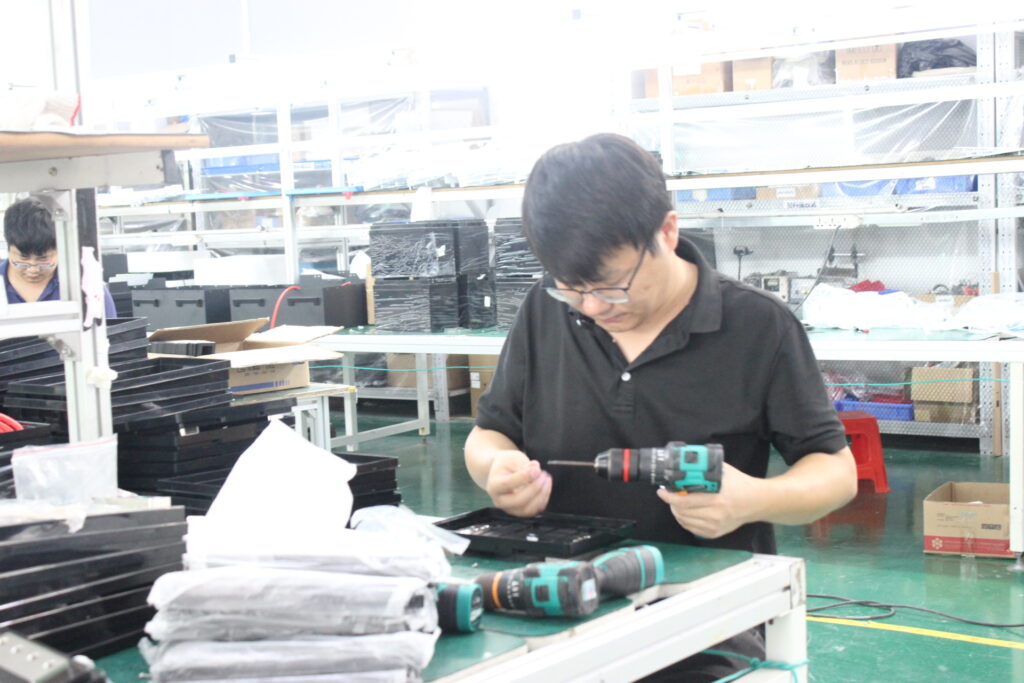
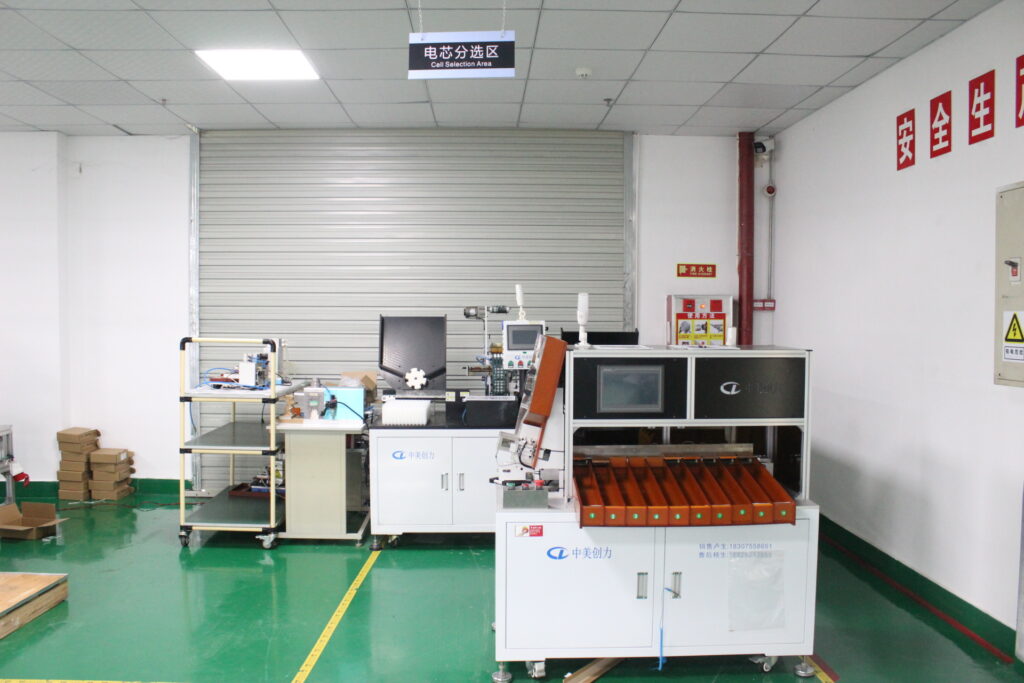
Production workspace shown on the Jetray factory website

Photography from Jetray’s published factory page.

Measure the mission profile

Capture the load during start-up, acceleration, turns, payload handling and idle periods.

Coordinate control interfaces

Confirm voltage limits, BMS signals and the system response to protection events.

Test the charging workflow

Evaluate charging opportunity, connector wear, temperature monitoring and the return-to-service criteria.

03 / Application planning

See the system around the battery.

Each application needs its own integration review. A similar voltage or physical format does not establish compatibility.

01

Mobile robot platforms

Measure acceleration, cruise, payload and standby demand across a representative route.

Review requirements
02

Autonomous equipment

Review operating time, docking behavior and low-battery transitions together.

Review requirements
03

Industrial automation projects

Define vibration, mounting, service access and communication needs in the battery specification.

Review requirements
APPLICATION CASE FILES / MOTION-DRIVEN POWER SYSTEMS

See the decisions behind an application.

Explore practical planning briefs for robotics & agv battery projects: the operating challenge, integration approach and sample-review questions.

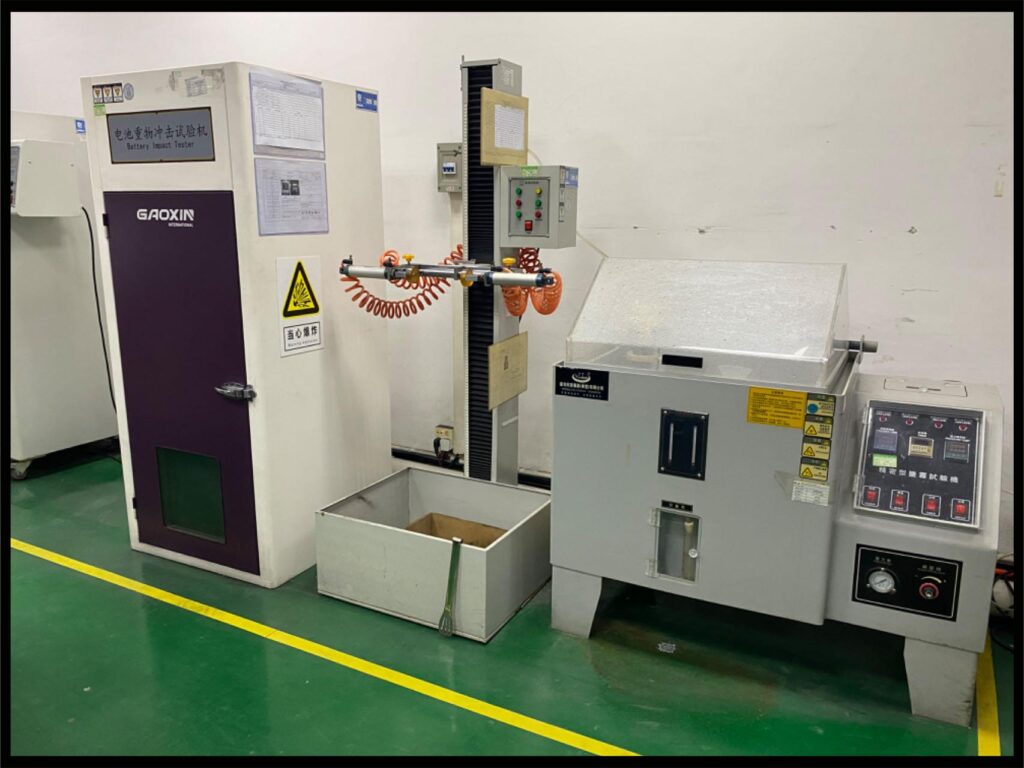
These are application planning examples, not documented customer deployments. Factory photographs are from the Jetray corporate website and do not identify a customer project.

04 / Blog & technical insights

Useful answers for better decisions.

Practical guidance for engineers and purchasing teams, with sources for further review.

05 / Questions, answered

Before you specify.

Keep the important decisions visible.

Is nominal capacity enough to predict robot runtime?

No. Runtime depends on the route, payload, speed, standby time, conversion efficiency and usable battery operating window.

Can a battery support regenerative current?

This depends on the drive system, battery design and operating state. Provide the drive-controller details and expected current behavior for engineering review.

Are these packs certified for every AGV or AMR?

No blanket compatibility is claimed. Electrical, mechanical, communication and application requirements need to be validated for the exact platform.

How should I size a robot battery from its mission profile?

Measure acceleration, route, payload, standby and charging periods on a representative mission. Review peak power, usable energy and operating limits with the intended controller and battery design.

What battery data does a charging dock controller need?

Define required voltage, current, temperature, state information and protection responses. Specify the interface, protocol and recovery behavior for the exact dock, robot controller and battery configuration.

Can a battery catalogue model fit every AGV platform?

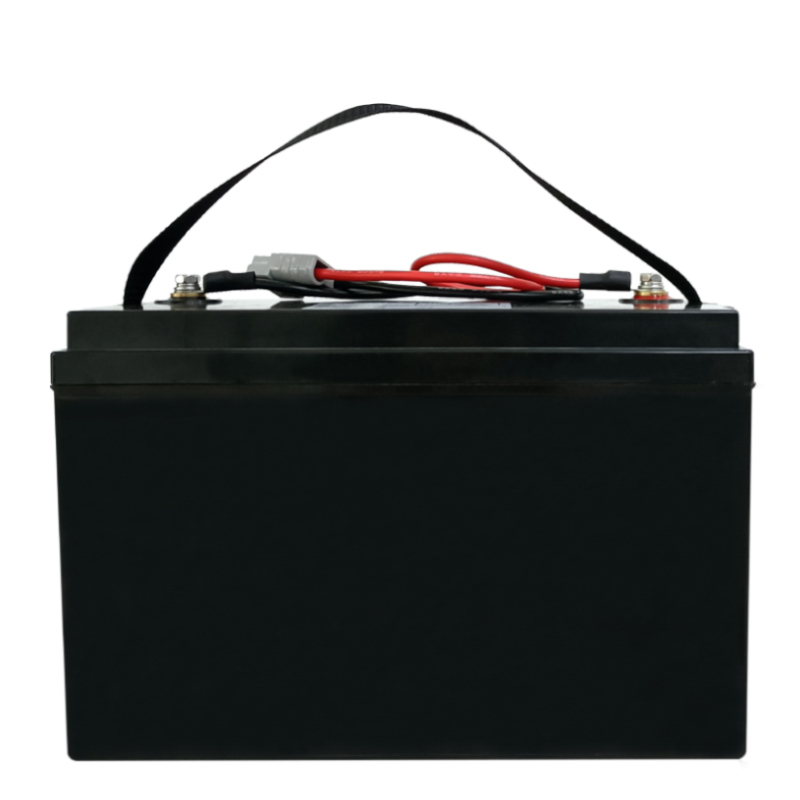
No. A catalogue reference does not establish electrical, mechanical, communication or application compatibility with every AGV. The exact platform needs an integration review and representative testing.

A useful conversation starts with a specification

Tell us what your equipment needs.

Share the load, dimensions and intended use. Ask for a current model specification and a project review.

Discuss your project

Product comparison